A resource and community space for modern marketers, sellers, and builders using customer voice to grow — together.
This hub is built for anyone who wants to do more with the voices of their customers. Whether you're scaling advocacy, building trust with proof, or rethinking how to go to market — you're in the right place.
How-to guides and playbooks for building with customer voice
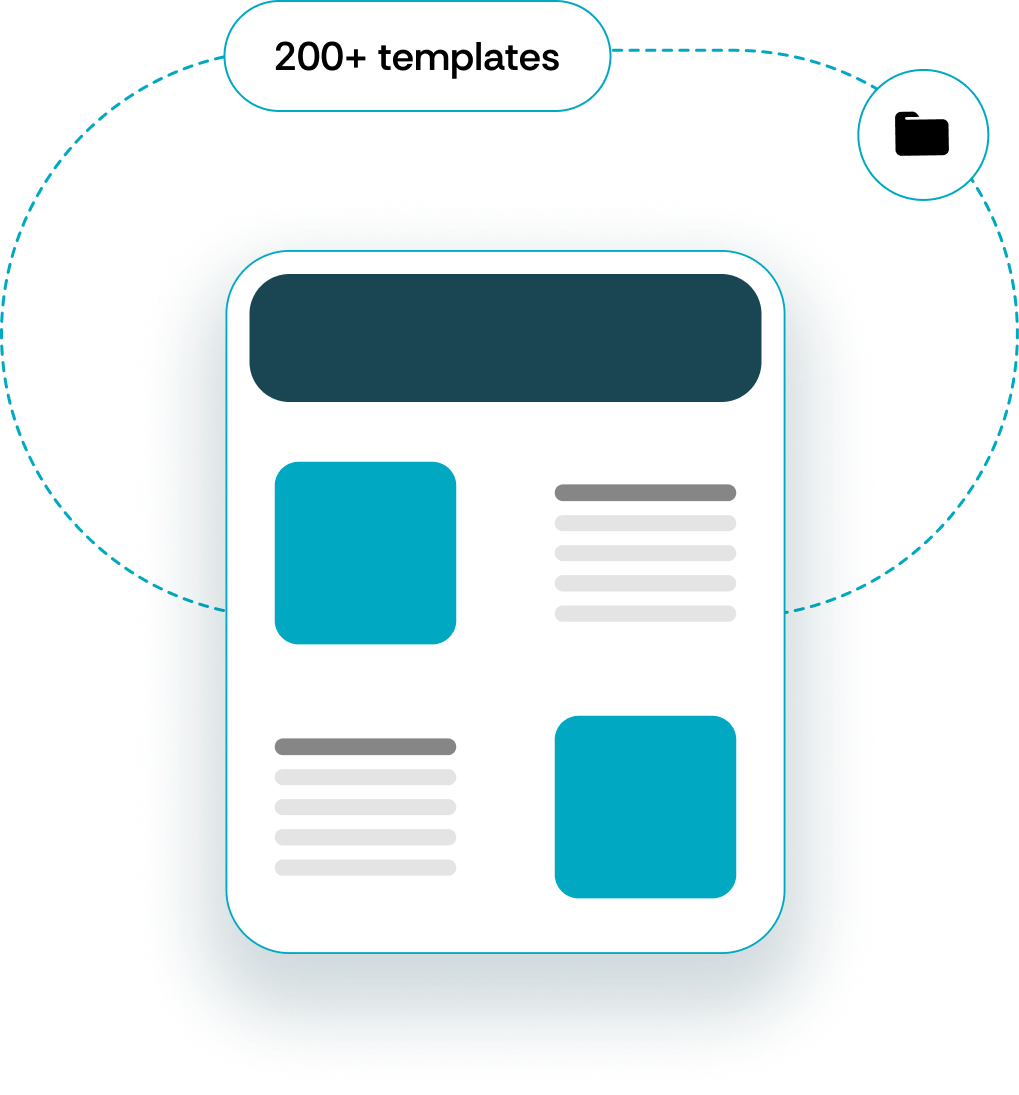
Campaign-ready templates and swipe files
Benchmark reports and reference best practices
Event recordings, expert sessions, and community spotlights
Ask questions. Share ideas. Trade wins. This is your space.
You don’t have to figure this out alone. The Deeto community connects you with other leaders using customer voice to build better GTM motions, faster-growing brands, and smarter strategies. If you are interested in joining when it launches, sign up below.
Automate advocacy management workflows
Dynamically generate customer stories and social proof
Eliminate manual reference management
Track and report advocacy impact on revenue
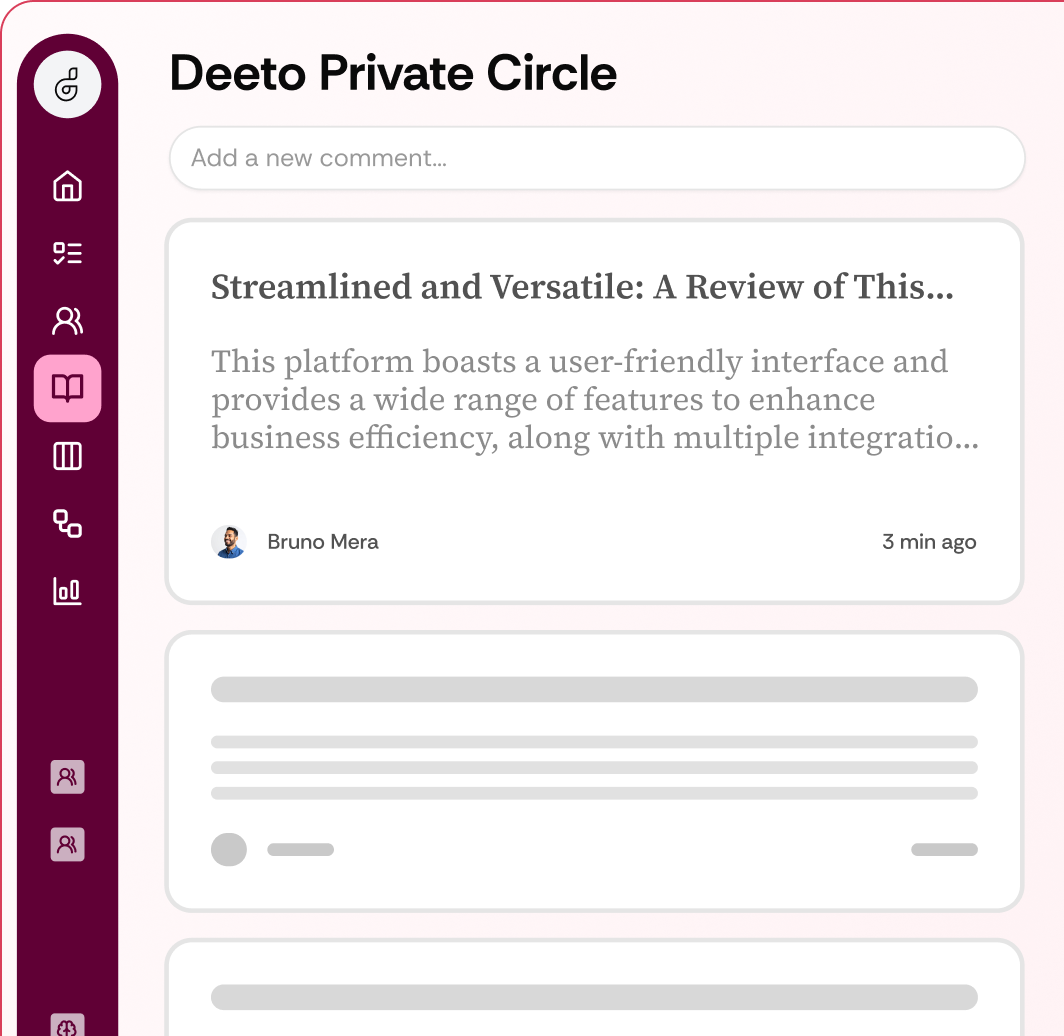
Discover practical guides, templates, and tools to help your team close more deals, faster.
Your customers are always talking. They’re constantly leaving reviews, replying to surveys, and commenting on social media.
But plenty of companies stop after collecting this information. And in doing so, they miss a major opportunity.
Your customer feedback isn’t just social proof. It’s content.
You can repurpose it into emails, ads, landing pages, videos, social media posts — any point in the purchase funnel where you need to build trust and drive decision-making.
In today's guide, you'll learn the what, why, and how of repurposing customer feedback into high-impact marketing content that works across every channel.
When potential customers see someone else solve the exact problem they’re facing, they lean in. It gives them confidence. It reduces friction. It answers the question: “Will this work for me?”
That’s what moves people from "maybe" to "I'm in."
You don’t need to hire a copywriter to guess what your audience cares about, though. Your customers are already spelling it out for you. You just need to capture it and turn it into content.
This is exactly why customer feedback is the most powerful tool in your marketing toolbox. When you start treating it as raw marketing material instead of something that's just "good to know," you create a consistent stream of trust-building, conversion-boosting content — content you can use to drive web conversions.
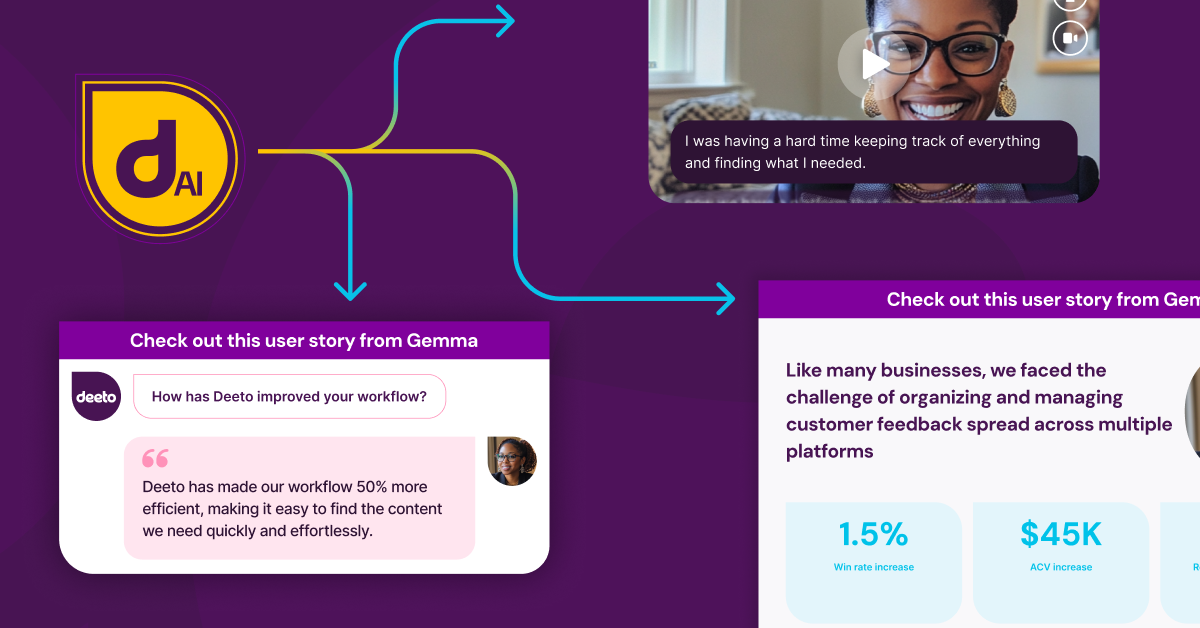
Repurposing your customer feedback is important because it turns real customer experiences into powerful, trust-building marketing content. It gives you credible, conversion-driving language straight from your audience, helps highlight what actually matters to your buyers, and keeps your messaging fresh without the guesswork.
In Neilsen's recent study of 40,000+ buyers across 56 countries, 88% said they trust customer feedback and recommendations over any other form of marketing messaging. After seeing a trustworthy review, 92% of B2B buyers are more likely to buy that product.
The reason is simple: When you use real quotes, language, and outcomes, you're not just telling people your product works, you’re showing them that it already has.
Your best customers say things in ways you never would’ve thought of. They describe pain points, benefits, and breakthroughs in the exact words your next buyer is probably already thinking. When you echo that language across your site, ads, and emails, it feels more personal.
You don’t need to start from scratch. Customer feedback is already flowing into your business through reviews, emails, support tickets, social posts, surveys, and calls. This makes it one of the lowest-effort ways to improve your content.
You might think people buy your product for Feature A. But what if your top customers all rave about Feature C?
Repurposing feedback forces you to zoom in on what your audience cares about, not what you think is important. That insight sharpens your messaging, your positioning, and your future product decisions.
Sales, support, and marketing teams all talk to customers differently. But when everyone pulls language and messaging from the same source (your customers), you create brand alignment. That means smoother pitches, stronger emails, and less “reinventing the wheel” across departments.
Stuck on what to post next on social? Need a new angle for your next ad campaign?
Customer feedback gives you an endless stream of ideas, quotes, and stories that are relevant, sharp, and close to the voice of your market. It’s like a living, breathing swipe file that updates itself.
To actually reap those benefits, your first step is knowing where to look. Here are five high-impact sources of customer feedback, and how you can turn each into marketing gold:
Sites like G2, Trustpilot, and Google Reviews are the easiest sources of social proof to pull from, and they're some of the most powerful. They’re publicly available, and often written in your customer’s raw, unfiltered voice.
If you're using Deeto, our new Imported Contributions feature lets you push reviews across personal microsites (another Deeto feature for your sales team), G2 (via integrating the two platforms), and on-site widgets in seconds, without manual copy-paste.
Testimonials and case studies are deeper, more structured stories. They're perfect for turning one win into dozens of content pieces.
From a single testimonial or case study, you can extract:
Deeto’s AI-powered extraction feature makes the process easy. Upload a case study, and it automatically pulls out key moments, quotes, and summaries you can reuse instantly across channels.
This is how you scale social proof without creating from scratch every time.
When people tag you in a win, drop a comment about your product, or post a screenshot of their results, you’ve got powerful, organic validation.
Repurpose these into:
Bonus tip: You might be able to turn positive DMs into anonymous quotes if you can’t get public approval.
When someone messages support to say, “I finally figured this out—it saved me 4 hours,” that’s a conversion-ready quote.
Use those moments to:
To get these kinds of insights, talk to your support and success teams.
NPS responses tell you why people love you (or don’t). Surveys reveal what’s working and what’s missing. For your marketing content, look for recurring phrases, surprising praise, and moments of delight.
Repurpose that into:
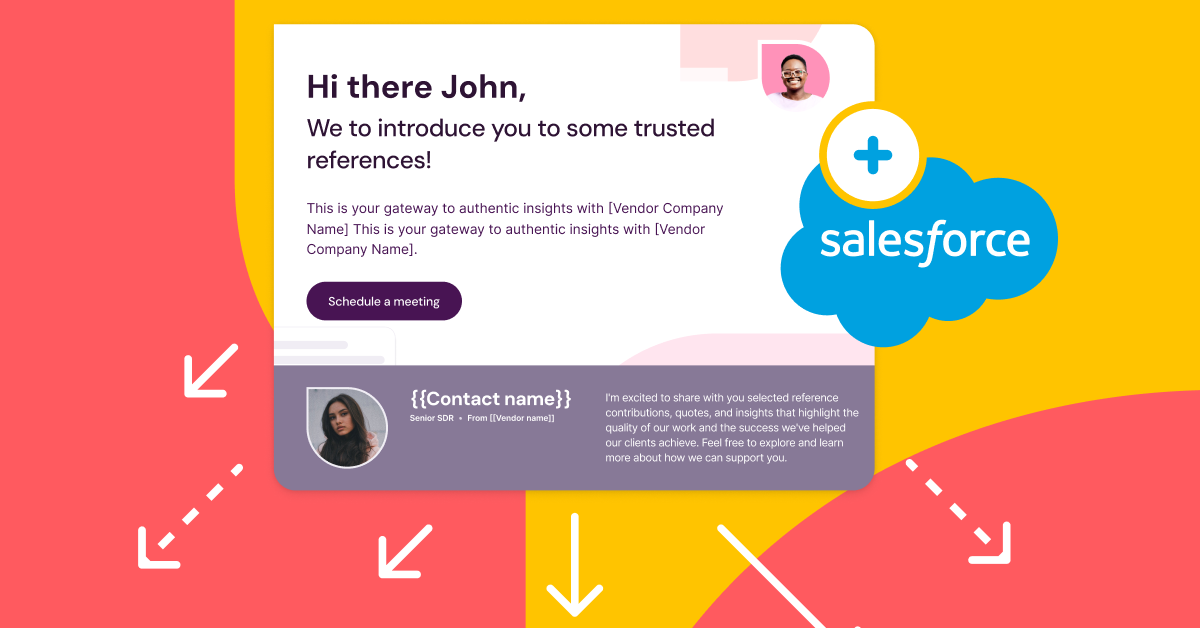
Customer feedback is incredibly versatile. One piece can be turned into multiple marketing materials, and you can even use it to address concerns or highlight benefits that are relevant to a specific segment of your target market.
Below, we'll explore four of the most effective ways to turn the feedback you've collected from the sources above into content that drives conversions.
Social is one of the easiest places to inject real customer voices.
Start simple:
Then, go beyond the usual:
This is lightweight, high-impact content that builds trust in your feed daily.
Social proof works best when it’s placed where decisions happen.
Use it strategically:
If you want to go further, use heatmaps and scroll data to place testimonials where people hesitate most. Then, A/B test quotes with different tones (e.g., emotional vs. ROI-driven) to see what converts the best.
For a more detailed look, check out my guide showing how three different companies use customer feedback to drive web conversions.
Since customers' success with your product is so closely intertwined with your USP, it only makes sense to let it drive parts of your content strategy. By incorporating real-life examples of how your product has helped customers, you differentiate your content from others, and you place your product as the solution to the problem you're solving with your content.
One idea is to use multiple feedback sources to write a trend piece: “5 Things Our Power Users All Have in Common.” To increase adoption, share that piece with all your new users (particularly those with low engagement rates) to show the value of your product.
AI makes it effortless to turn one piece of feedback into ten different assets.
With Deeto's centralized customer content repository, it's easy to organize, structure, access, and publish content across multiple marketing channels.
To know whether you're actually turning that customer feedback into sales revenue, there are six key metrics to pay attention to:
This is your most direct signal. Are pages or campaigns with testimonials, quotes, or customer stories converting better than those without?
Test it by A/B testing landing pages with and without social proof, measuring lead gen forms, CTAs, and demo requests after adding feedback-based content, and tracking product page conversions post-implementation.
Are people engaging with the content you’ve created from feedback?
Watch how repurposed reviews perform in:
Higher CTRs mean the message resonated.
Feedback-based content is supposed to feel more human and relatable. If it's succeeding in that department, it should also boost engagement.
Measure engagement with your content by looking at:
If your feedback-rich campaigns convert better, your CAC should decrease over time. Watch for changes in CAC across paid channels, email funnels, or website segments where social proof was added.
Lower CAC = higher efficiency.
Although it's " for marketing," customer feedback and other user-generated content are used throughout the sales cycle to build credibility, handle objections, and drive faster decision-making.
Deeto centralizes your content, so you can equip your SDRs and AEs with customer success stories, quote libraries, and case studies specific to each prospect's use case.
To understand how effective this is for your business, look at:
The average B2B sale requires more than 40 touchpoints. Use tools like Google Analytics, HubSpot, or your CRM to track where repurposed content shows up in the buyer journey (Deeto can help with this, too).
Did a blog post featuring a customer story bring in qualified traffic? Did someone convert after clicking an ad using a testimonial? Are your most engaged prospects reading case studies?
Look at assisted conversions, not just last-click attribution.
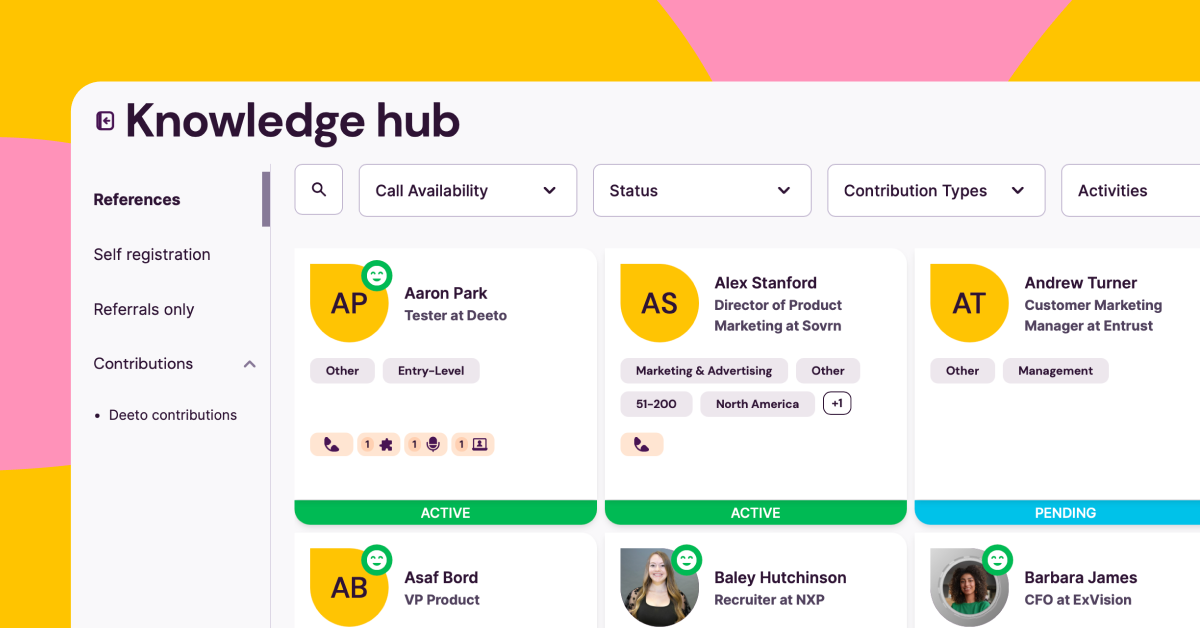
Deeto's AI-powered platform simplifies the entire process of collecting customer feedback, organizing it, turning it into content, and distributing it across your entire company — Marketing, Sales, Product, and Success.
Request a demo to see how Deeto's platform helps companies fully leverage the power of their customers' voices.


Learn how to turn customer feedback into powerful marketing content. Discover strategies for repurposing reviews and UGC
Organic growth is a fantastic way to build your business. Growing a business organically means using customer-driven strategies instead of paid advertising. This prioritizes long-term sustainability, trust, and customer engagement to increase brand loyalty and reduce acquisition costs.
An organic growth strategy also allows you to scale efficiently by leveraging existing customers, word-of-mouth referrals, and quality-driven strategies rather than expensive marketing campaigns.
Unlike paid growth strategies—which often yield short-term gains—organic growth emphasizes long-term success through trust, credibility, and consistent value delivery.
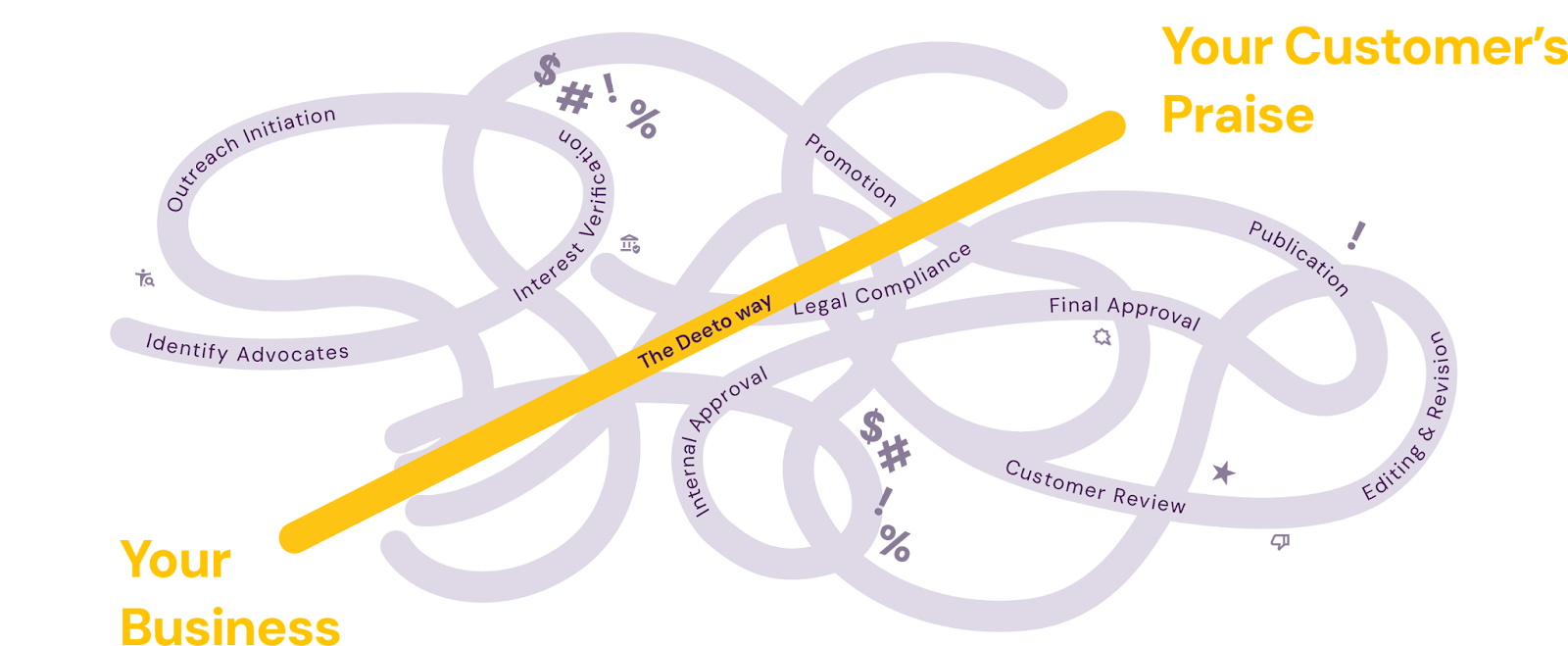
Organic growth is business expansion achieved through customer retention, referrals, and word-of-mouth marketing rather than paid advertising. It focuses on sustainable growth, authentic relationships, and long-term customer value.
If your organization achieves organic growth, you’ll build customer satisfaction and brand advocacy. You’ll also create valuable experiences that often keep customers.
Customers prefer brands that offer genuine interactions rather than aggressive sales tactics. Transparency, ethical business practices, and value-driven messaging help establish trust, which makes customers more likely to stay loyal.
Businesses that focus on providing real solutions—rather than just pushing sales—build deeper connections with their audience. In addition, customers appreciate brands that prioritize their needs, leading to repeat purchases and long-term loyalty.
Strong, lasting customer relationships translate to higher brand advocacy and organic referrals. This reduces dependence on expensive customer acquisition methods, making growth more sustainable in the long run.
An organic growth strategy isn’t just important for businesses, but it’s also important for customers. Let’s look into some reasons why:
Loyal customers contribute more revenue over time through repeat purchases and referrals. Businesses that focus on customer retention see greater profitability without increasing acquisition costs.
An organic growth strategy leverages existing customers, reducing the need for expensive marketing campaigns. Instead of constantly spending on acquiring new customers, businesses can focus on nurturing and expanding their current customer base.
Strong customer relationships translate into positive reviews, higher credibility, and a brand image that attracts new customers organically. A well-respected brand naturally gains traction in the market.
Happy customers naturally promote your brand to their networks, fostering organic expansion. A strong referral network can significantly boost sales and customer trust.
It’s crucial to identify the touchpoints. Understanding where and how customers interact with your brand helps optimize the user experience.
You must also understand customer needs at each stage. Addressing pain points and providing solutions at each phase of the customer journey ensures higher satisfaction.
First, you must optimize for user experience (UX). This means ensuring easy navigation, responsive design, and clear messaging to improve customer satisfaction.
You must also provide exceptional customer service—including quick resolutions, attentive support, and proactive engagement to build trust.
Furthermore, it ensures personalization and customization. Tailoring experiences to individual preferences increases engagement and customer happiness.
Customer feedback provides insights to refine products, services, and overall experience. You should encourage reviews and act on customer input to demonstrate a commitment to continuous improvement and customer satisfaction.
Creating valuable and informative content is essential for positioning your brand as an industry leader.
If you offer blogs, whitepapers, webinars, and educational resources, your brand can share insights that resonate with your audience and showcase expertise. This approach not only helps establish authority but also attracts potential customers who need trusted guidance.
Thought leadership also plays a crucial role in building credibility. As you share your expertise, you position your brand as a reliable source of information. This trust can significantly impact customer acquisition and retention, as customers are more likely to choose a brand when they see an expert in its field.
Open and honest interactions are at the core of building lasting relationships with your customers.
Transparency builds trust and shows that your brand values clear communication and is committed to being upfront about its practices and policies. This openness encourages customers to feel more connected and confident in their choice to engage with your brand.
Additionally, addressing customer concerns promptly is essential in demonstrating your commitment to service. When you respond quickly to issues, it reflects your brand’s reliability and dedication to customer satisfaction.
Customer testimonials and reviews play a critical role in building trust. Real experiences from satisfied customers help reassure potential clients that your brand delivers on its promises.
Positive feedback acts as a form of social proof, validating your brand’s credibility and attracting new business.
Case studies and success stories further enhance your brand’s credibility by demonstrating proven results. When potential customers see that your brand has successfully solved challenges for others, it increases their confidence in your ability to meet their needs.
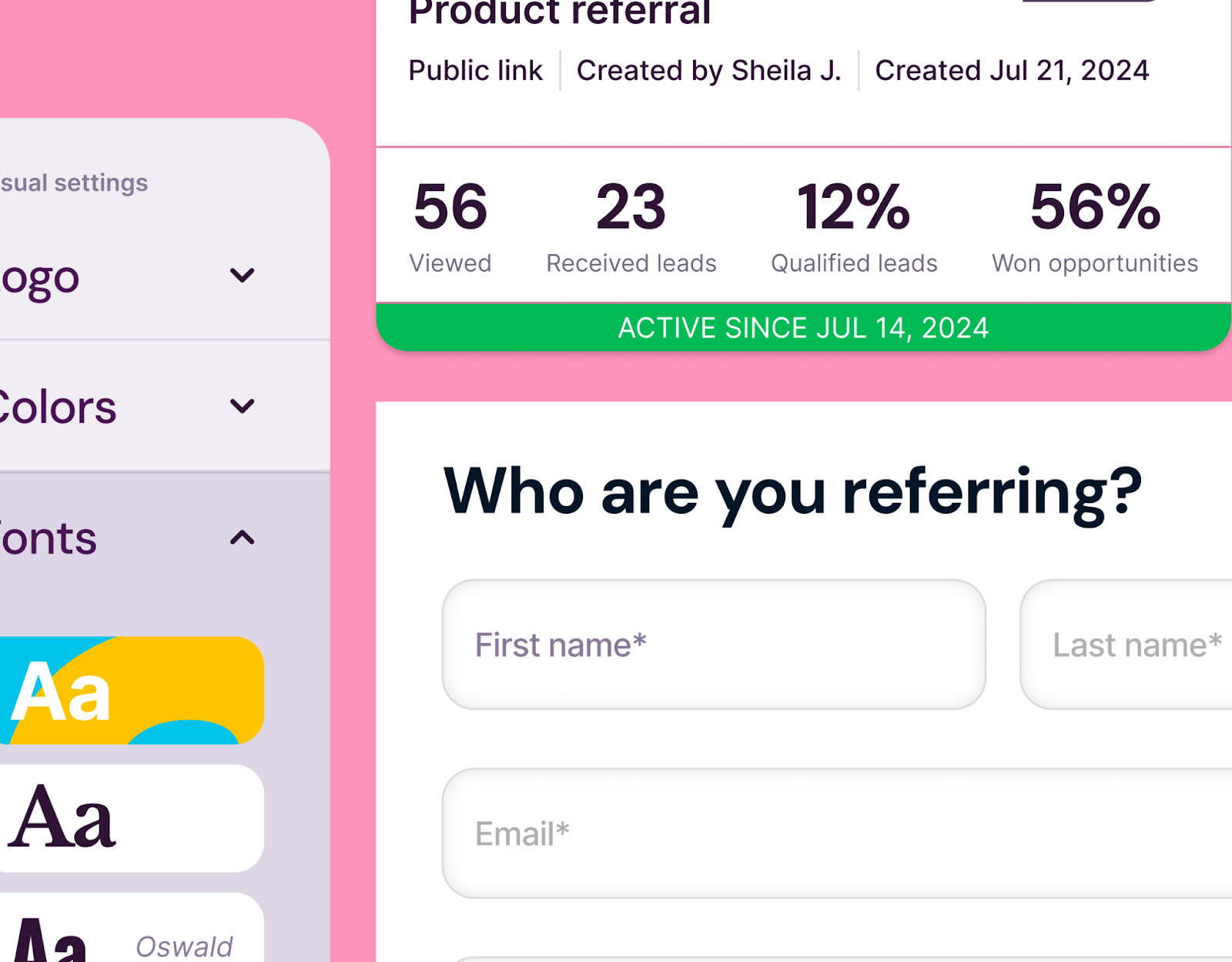
Book a Demo - Start Using Deeto AI
You should recognize and reward loyalty. You can achieve this with exclusive perks for dedicated customers to encourage repeat business and referrals.
There are many excellent ways to engage your customers. Let’s look at some of the best ways:
Timely responses to reviews demonstrate attentiveness and build trust. You must address feedback—both positive and negative—to show customers that their opinions matter.
Social media groups and forums are critical for growing your community. To strengthen customer relationships, you should create spaces for meaningful discussions and peer-to-peer support.
You should also consider events and meetups. It strengthens customer connections through real-life interactions and builds deeper loyalty.
You should ask questions and initiate discussions. Engaging customers directly makes them feel valued and involved. It’s also critical to respond to comments and messages. That’s because active engagement strengthens relationships and brand trust.
You should build a positive and inclusive environment. A welcoming community enhances customer satisfaction and retention.
In addition, you should celebrate community achievements. You can achieve this by recognizing customer success stories to strengthen emotional connections with the brand.
Failing to actively listen to customers can lead to missed opportunities for improvement and decreased loyalty. Customer feedback - whether through reviews, surveys, or direct interactions—provides invaluable insights into what’s working and needs adjustment.
Brands that dismiss this feedback risk losing touch with their audience, which leads to lower retention rates and stagnant growth.
You should establish feedback loops, actively respond to concerns, and adapt strategies based on customer input.
Many businesses focus heavily on acquiring new customers while neglecting the ones they already have. However, retaining existing customers is often more cost-effective than acquiring new ones.
Companies should implement retention strategies such as personalized offers, loyalty programs, and proactive customer support.
Regular engagement, follow-ups, and appreciation gestures (such as exclusive content or early access to products) can turn first-time buyers into lifelong advocates.
Attracting new customers is essential, but engagement is what keeps them coming back. Without meaningful interactions, even the most successful acquisition campaigns will result in high churn rates.
You should prioritize relationship-building through personalized communication, community-building efforts, and consistent value delivery.
Whether through social media interactions, educational content, or responsive customer service, ongoing engagement ensures customers remain connected to the brand.
Many businesses rely too heavily on paid advertising while neglecting organic marketing efforts. A well-rounded strategy includes SEO, content marketing, social media engagement, and email marketing. These channels drive sustainable traffic and enhance brand credibility.
High-quality blog posts, informative videos, and interactive social content can attract potential customers and nurture existing ones.
Businesses that fail to invest in organic channels struggle to establish long-term visibility and authority in their industry.
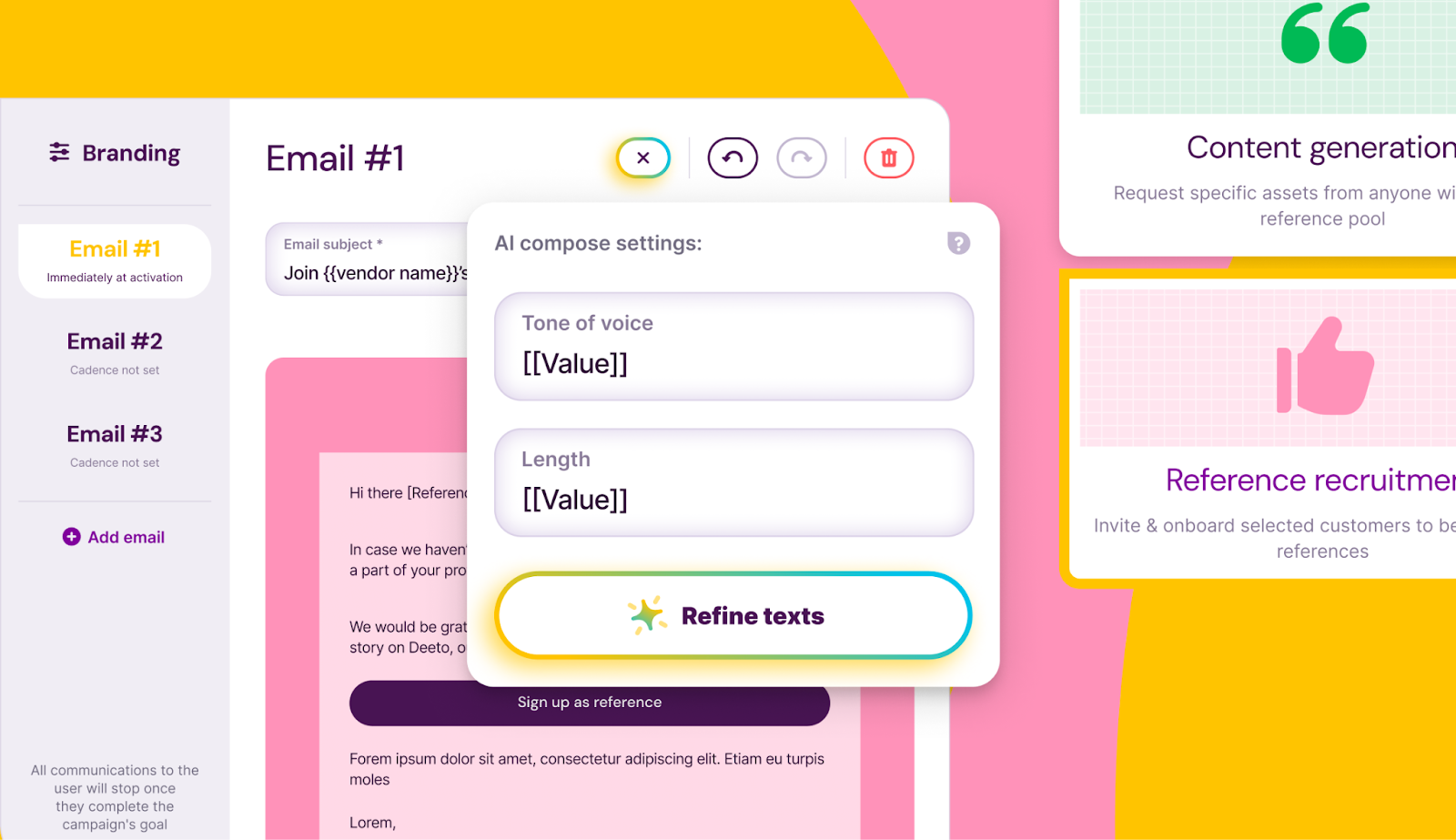
Deeto streamlines the process of engaging your customer base and transforming their insights into valuable assets for your sales, marketing, customer service, and product teams.
With centralized data and AI-driven insights, it simplifies connecting with prospects at scale and ensures communication is authentic. Schedule a demo today to see it in action.

Discover how to grow a business organically using customer-driven strategies and word-of-mouth marketing
Reviews, testimonials, and case studies are your most valuable marketing assets. You can use them throughout the entire sales cycle. And feedback informs every product decision you make.
One of the unique aspects of Deeto's customer knowledge platform is it enables you to create microsites for each buyer persona. It can then personalize them with a prospect’s info and send them automatically based on criteria like their role or company size. This gives you the chance to differentiate your messaging, showcase relevant customer stories, and build trust with them.
In this blog post, we'll dive into four ways Deeto's personal microsites increase top-of-funnel intent for your business.
A personal microsite is a persona-based web page that allows you to display your most relevant social proof to prospects. When the prospect clicks on, they see content tailored specifically to their needs and preferences, without you having to lift a finger.
How it works for the SDR or AE:
You can also create triggers that will automatically send the microsite to prospects based on their behavior or actions. For example, if a prospect just responded to your first cold outreach, you can set it up to trigger a personalized microsite to nudge them towards taking the next step in the sales process.
From there, the customer can click on the link and see the relevant social proof for their needs, with your SDR or AE’s name and face attached to it.
And for groups of similar customers, you can templatize the process. Deeto lets you create different personal microsite pages for each of your ICPs. Once you've done this, your team all have a new, authentic touchpoint that requires zero effort on their end.
At the top of the funnel, it's all about building awareness and creating interest in your product. Your goal is to start the conversation and get a meeting on the calendar. To accomplish that, your outreach needs to be personalized, relevant, and trustworthy. Personal microsites are the best way to hit all three of these points.
The average business professional sees 121 new emails come into their inbox per day. A sizable chunk of them are cold emails from companies just like yours. And in B2B sales, less than a quarter of them will even be opened.
Personalization is your biggest differentiator when it comes to getting your prospect's attention. Deeto's microsites cut through the noise by immediately addressing a prospect's unique challenges and interests, rather than making generalized claims and promises.
Tailored content encourages deeper interaction. When prospects find information pertinent to their situation, they are more likely to engage with the content, explore further, and consider how your product or service can address their needs.
That's why personalized CTAs generate 42% more qualified leads. And it's why companies that personalize the B2B buying experience see an average of 1.4x revenue growth compared to those that don't.
At the top of the funnel, too many companies fall into the trap of sharing generalist content to “cast a wide net.” But 86% of buyers say word-of-mouth is the most influential factor in their purchase decisions. User-generated content (think: quotes, testimonials, user stories) is one of the best forms of this because it presents tangible evidence of your product's value.
Leading with testimonials, success stories, and real-world applications from satisfied users establishes trust and positions your brand as a reliable partner. Microsites give you the ability to achieve this level of personalization at scale.
At the top of the funnel, prospects are exploring solutions. They haven't yet formed specific brand preferences.
When the content you share is solely created by your business, it comes across as biased and promotional. With a microsite, you're speaking directly to your prospect's customer segment, role, or specific needs. And it's more impactful because you're demonstrating the value of your product or service through the words of someone else.
As you work with different decision-makers (e.g., a technical buyer vs. a C-level exec) throughout the sales process, you can get even more personalized. By creating microsites with different industries, roles, and use cases in mind, you can tailor the content to each member of the buying group's specific priorities.
A microsite is the perfect channel for personalized content delivery because it's more visually engaging and professional than a standard email or landing page. It features your rep's name, company logo, and brand assets for instant recognition. And because it's self-contained, there are no distractions or competing messages.
Together, these factors make your prospect more compelled to (a) click on it, (b) read through it, and (c) follow the CTA.
Deeto captures customer knowledge and transforms into actionable insights that drive growth across your organization. Request a demo to see how it works.

Discover 4 top of funnel marketing tactics using Deeto’s personal microsites to boost buyer intent early.
Thanks to generative AI, you can mass-produce virtually any type of content: blog posts, sales emails, even full-on case studies.
Now...solely relying on AI for customer engagement is a recipe for disaster. In 2023, 92% of companies said they use AI-driven personalization in marketing and sales, but the key word here is “driven.”
Those who use it successfully aren’t replacing their team with it — they’re using it to 10x their team’s productivity and deliver personalized experiences to more customers at once.
To successfully use AI in your sales, marketing, and customer success efforts, you have to know where you need that human touch, and how AI can supplement that.
According to McKinsey, nearly three-quarters of all customers expect companies to give personalized interactions. And for B2B buyers, 80% of them expect a B2C-like experience when it comes to personalized content and seamless interactions with your company.
Your team members are there to lay the groundwork:
It's on your sales team to build relationships with potential customers and convert them. And it's on your CS team to activate your cusotmer base and turn them into advocates. If you don't take the time to get to know your users, AI won't be able to bridge that gap.
B2B sales involve multiple decision-makers (all with different needs). They have long sales cycles that require a different approach at each stage, and negotiations are complicated.
Your sales team needs to know which content, customer references, and data points to use for each member of the buying group at each step of the process.
While AI can personalize content and suggestions based on data points, it can't replicate the human touch in one-on-one interactions. Your sales and CS teams have to be skilled at understanding the unique needs and preferences of each customer and tailor their interactions accordingly, and they need to be the final gatekeeper for any AI-generated content or recommendations.
AI isn't a replacement for marketers, sales reps, or CS managers. But, if you lay the foundation with quality data and a well-defined strategy, it’s the missing puzzle piece that'll help you understand your customers, simplify content creation and distribution, and scale your sales and marketing efforts.
You can use AI-powered software to collect information about your customers' firsthand experiences, preferences, and pain points with your product.
With Deeto, it's as easy as making an Instagram post. Just send them an invite to onboard themselves, and they'll set their contribution preferences.
By analyzing your customers’ contributions Deeto will provide an overview of their sentiments, in addition to consolidating all of their information in one place. From there, you can personalize your engagement strategy for at-risk customers, those with the highest engagement levels, and those who use a particular version of your product.
When it comes to integrating UGC into your sales process, the biggest challenge is going out and actually finding where that content is. If you use multiple platforms for things like product feedback and customer advocacy initiatives, nobody has the complete picture they need to authentically engage with customers.
With Deeto, your sales, marketing, CS, and product teams work from the same platform. It gives them a complete view of what customers are saying, what they’re doing, and how you can use that content and data to make more connections with people.
It also has strict guidelines for user ownership and content approvals, meaning your customers' data is safe and secure.
The other major challenge when it comes to distributing your marketing and sales collateral is the fact that every customer is different. They’ll have different use cases for your product.
Even within a buying group, two members will have different interests in the decision-making process. If you share the exact same social proof and UGC with everyone in your pipeline, you’ll quickly find it’s irrelevant to most.
AI, like Deeto’s, can assess a customer’s profile (company type, use case, etc.) and present sales reps with personalized UGC and social proof based on that assessment. Instead of sifting through a bunch of irrelevant content, they’ll be able to share content that speaks to their buyer’s use case and pain points, which drives deals forward significantly faster.
Your CRM has all your customers' purchase history, communication records, business or personal info, and more. Integrating it with your AI tools will help them create more accurate customer profiles, segment them, and run automation workflows that serve them the right content and offers.
When the two are connected, every activity in your customer knowledge system (e.g., a reference call) is instantly updated in your CRM, so everyone's on the same page.
Deeto handles the end-to-end process of activating your customer base and turning their insights into usable assets for your sales, marketing, CS, and product teams. Centralization and AI-powered insights make it easy to connect and communicate with prospects at scale in an authentic and data-driven way. Book a demo and see how it works.

Discover how AI personalization drives authentic marketing in today’s evolving digital landscape.
Relationships are the core driver of CS programs. But that in no way means you have to do it all by hand.
It's true that a fully automated approach will never work (no one likes talking to bots), but the right mix of AI and human touch can help you scale your program and activate your customer base while delivering personalized experiences for each one.
So, how can your Customer Success team use AI in a meaningful way?
We're so glad you asked...
Sentiment analysis is one of the best use cases for AI.
Word-of-mouth marketing — specifically, user-generated content — is one of the best ways to reach your audience. But people publish so much of it that it can be hard to cut through the noise. That's where AI comes in.
NLP (natural language processing) algorithms can identify words, phrases, and linguistic patterns in written and spoken content, then categorize them as positive, negative, or neutral. Advanced sentiment analysis tools can even detect the intensity of sentiments and specific aspects of products being discussed.
Most companies already use this to track mentions on external platforms like product review sites and social media. But you should also apply this to your internal customer knowledge (e.g., reviews, product feedback) and support tickets to fully understand what your customers are saying about you.
Collecting customer knowledge isn't as simple as throwing out a survey, asking everyone to rate you, or waiting for someone to reach out. There are tons of different ways to use your customers' insights and firsthand experiences with your product.
Not every customer will want to sit for reference calls with new prospects. And not all of them will want to test new features.
You can use an AI-driven platform like Deeto to collect feedback from customers through individualized and personalized contribution asks. When they join your program, they select their preferred contributions. From then on, you are always able to engage them per your needs, and even reward them for their support.
You're probably familiar with segmentation as it relates to marketing and sales. You divide your audience into smaller groups based on shared characteristics, behaviors, or interests.
But have you thought about applying it to your paying customers?
Using AI algorithms, you can segment customers who've joined your success program into groups based on their feedback and contributions.
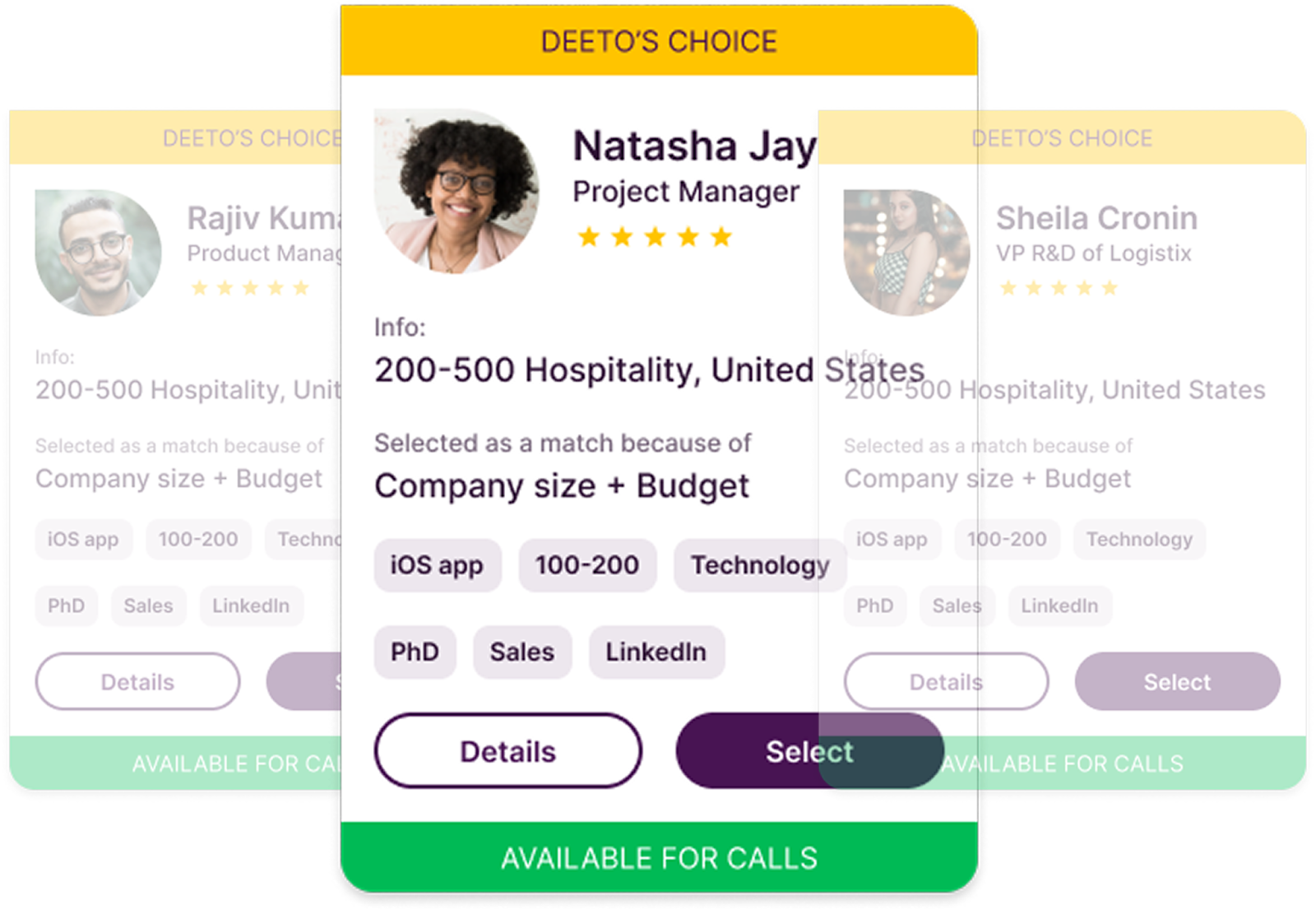
And with Deeto's smart-matching capabilities, you can instantly distribute the best customer references to your sales team, target specific customers for product feedback, or dynamically display testimonials on specific parts of your website based on factors like their industry, product tier, or use case.
If you use your customers throughout the sales cycle, you'll close a higher percentage of deals, faster.
It's on CS to collect these things, which is why you need a shared platform that makes it easy for customers to contribute, your success team to manage, and your sales team to access.
With an AI-powered customer activation platform, you can have customers give their feedback through a simple and quick process. And with generative AI, you can turn feedback, stats, and success metrics into full-fledged case studies reps can send to customers.
When sales can access content and references through the same platform as CS, they'll be able to see and use what's available for each specific deal.
To build a successful reference program, you have to let CS be the gatekeeper and the last step before connecting prospects and customers.
AI-powered platforms have workflows and automation that let you create a pre-approved library of content for sales to use at any point in their process.
And for what isn't pre-approved, AI can automatically trigger an approval process for CS, so the process doesn't slow down the sales cycle.
Indicators like customer feedback, engagement with your product, and participation in your customer activation initiatives tell you which customers are your most active and loyal, and which ones need attention.
It would take hours of sorting through data and analyzing trends to identify these customers manually. But with AI, you can quickly pinpoint active customers based on their account health and flag potential churn risks for your Success team to address.
With Deeto's customer activation platform, you can collect, store, and manage customer knowledge from one centralized location. And its AI-powered features align your sales, marketing, product, and customer success teams around one common goal: providing the best customer experience possible. See how it works.

Discover how AI for customer success is transforming support, retention, and satisfaction in 2025 and beyond.
According to Edelman’s Trust Barometer, 63% of buyers trust what people say about a business more than what the business says about itself.
Which is why we are thrilled to introduce Deeto's latest feature—Personal Microsites. This game-changing addition is designed to streamline your sales process and deliver a highly personalized experience to your prospects. With Personal Microsites, you can now automatically direct prospects to a tailored microsite that showcases some of your top customer references, giving them an engaging and user-friendly platform to explore testimonials relevant to their needs.
What Are Personal Microsites?
Before we hop into the nitty gritty of this feature, there’s one thing we want to make sure that you keep in mind. Demand Gen Report noted that 97% of B2B buyers feel that user-generated content, such as customer testimonials, is more credible. Now, that is quite the number, so let’s dive in.
Personal Microsites are dynamic, individualized web pages that highlight customer testimonials and references most relevant to your prospects. Imagine a prospect finishing an initial call with your SDR and immediately receiving a curated microsite featuring success stories and use cases that resonate with their unique challenges and goals. This targeted approach not only builds credibility but also accelerates the decision-making process, enhancing the overall effectiveness of your sales funnel.
How Does It Work?
Deeto’s Personal Microsites are fully automated, seamlessly integrating with your CRM to trigger their delivery at various stages of the sales process. Here’s a brief rundown of how it works:
1. CRM Integration: When a prospect reaches a specific point in your sales process—such as completing an initial call with an SDR—your CRM can trigger the sending of a personalized microsite.
2. Automatic Delivery: Deeto automatically generates and sends the microsite to the prospect, featuring tailored testimonials that address their needs.
3. Prospect Engagement Tracking: Once the microsite is delivered, Deeto tracks the prospect’s engagement, providing valuable insights into which testimonials they view and how they interact with the content.
4. Facilitating Further Interaction: Prospects can easily connect with your SDR through embedded messaging or call scheduling features, fostering a more streamlined communication process.
Getting Started
Ready to start using Personal Microsites? Here’s a quick summary of how to set it up:
- Integrate Deeto with your CRM to automate the sending of personalized microsites.
- Set up your SDR profiles in Deeto, ensuring they include a name, photo, contact details, bio, and a personal message.
- Set up a couple of different variations of the Personal Microsites to guarantee personalization and relevance.
- Configure the API to ensure the correct microsite is sent based on the prospect's segment.
Need Help?
Our team is here to support you every step of the way. If you need further assistance or encounter any issues while setting up Personal Microsites, please reach out to Deeto Customer Success at support@deeto.ai.
Enhance your prospect engagement with Deeto’s Personal Microsites—where automation meets personalization for a more effective sales process.

63% of buyers trust what people say about a business
In today’s customer-centric world, relying on sporadic feedback or anecdotal evidence is no longer enough to drive growth. Understanding your customers’ experiences throughout their entire journey is essential for aligning your business strategies. Deeto’s new Campaigns feature is designed to automate and streamline this process, allowing you to collect valuable insights in real time, fueling your core business functions with authentic customer feedback.
What is Deeto’s Campaigns Feature?
The Campaigns feature enables you to automatically invite a static or flexible list of customers to become references or contribute specific content. Unlike traditional approaches that require manual outreach, this feature is fully automated, making it easy to build an ongoing feedback loop. Invites can be triggered based on criteria in your CRM, such as customer health scores, product usage milestones, or engagement levels, ensuring that you’re reaching out to the right customers at the right moments.
Beyond just gathering customer references, Campaigns allows you to request targeted content contributions, such as reviews, feature feedback, or product quotes. This dynamic and ongoing approach ensures that you’re consistently collecting fresh insights across your customers’ lifetime value (LTV). Rather than relying on isolated reviews, you’ll gain a richer, more nuanced understanding of customer sentiment.
Why Does This Matter?
Incorporating continuous customer feedback into your strategy has far-reaching impacts. With Campaigns, you can authentically understand your customers’ sentiment and experiences throughout their entire journey, contrary to relying on fragmented or anecdotal feedback. The data collected becomes a living, evergreen knowledge hub that benefits every part of your business.
Key Benefits Across the Organization
For Sales:
Your team can bring authenticity into every step of the sales cycle by providing up-to-date social proof and connecting prospects with the right customers to help push the deal forward.
For Marketing:
Your team can harness authentic, customer-generated insights to support all GTM initiatives. Real testimonials, user stories, and content about specific features will resonate more.
For Customer Success:
With continuous feedback flowing in, your customer success team will have a more accurate gauge of how customers feel at every stage, making sure to delight them every time they interact with them
Fully Automated and AI-Driven
The true power of Deeto’s Campaigns lies in its seamless automation. By integrating with your CRM and leveraging AI-driven capabilities, the process of gathering feedback, testimonials, or references is effortless. You no longer need to spend valuable time manually managing outreach and follow-ups. Instead, *Campaigns* operates in the background, steadily collecting data and keeping your knowledge base up to date.
Fueling Long-Term Growth
Deeto’s Campaigns feature is more than just a feedback tool; it enables real-time, authentic customer insights that help every team stop shooting in the dark.
By providing continuous, accurate feedback, your business can evolve alongside your customers, fostering deeper relationships and long-term success.
Start using this feature in Deeto right here

In today’s customer-centric world, relying on sporadic feedback is no longer enough to drive growth.
Building a successful product, bringing it to market, and improving it in a way that keeps you ahead of the competition. All these things start with understanding everything about your customers — the problems they need solved, where they look for solutions, and how they make purchase decisions.
You could do all the market research in the world, but it still won't beat actually talking to them.
These are just a few of the ways you can (and should) learn what your customers think about your product, customer experience, competitors, and overall brand.
Why bother with all of that in the first place, though?
I'm glad you asked...
You can use them to build trust with your customers and drive conversions. And they can sometimes give you basic insights into what your customers are and aren't a fan of, and how you compare to the competition.
But reviews, testimonials, and the like have their limitations:
Most businesses stop here, though. They collect one-off social proof to use as a marketing asset (which is definitely important), but they don't dig any deeper to understand their customers on a more strategic level.
The right kinds of feedback will give you insights into the full customer experience. You can use that info to improve your onboarding, service, and support processes. And you can use it to communicate the value of your product to future buyers in a way that aligns with their needs and expectations.
Instead of just reacting to it, you have to identify and anticipate shifts in buyers' attitudes and the methods/resources they use. After going against customers' natural flow for a long enough time, you're at a tremendous risk of losing them.
On top of that, they need something different at every stage of their lifecycle.
That's why part of your knowledge collection process should include:
From there, you can make the changes that improve engagement with your brand, decrease churn, and drive product adoption.
Even if you're getting great feedback from your users at present, there's no guarantee they'll stay happy forever. If you neglect customer knowledge while your competitors actively seek it out, it's only a matter of time before they develop a product that's more aligned with what they're looking for.
When you're continuously gathering knowledge and feedback from your customers in the form of surveys, feedback forms, and feature testing, you can build your product strategy according to real-time user feedback.
There are two fundamental aspects of customer knowledge:
Deeto makes it easy to collect feedback by enabling your customers to give it to you directly. When you invite them to the platform, they're automatically a part of your knowledge base.
And they can contribute exactly how they want — reviews/testimonials for Marketing, reference calls for Sales, feedback/testing for Product, the list goes on.
Since it's all stored in one platform, every team can access that knowledge individually and use it to collaborate smoother, innovate faster, and create a better overall customer experience.

You could do all the market research in the world, but it still won't beat actually talking to your customers.
What makes them tick? What do they like (and dislike)? What are their pain points and challenges?
As a business, this is the core information you need to build a winning product, market and sell it effectively, and retain your customers long-term.
Now...
Modern companies sell products almost exclusively online. And that means there's no way for them to know exactly who they're selling to (or why those people buy). Not unless they make direct, calculated efforts to get to know their customers, at least.
How do they do it, you ask?
Broadly speaking, we can break customer knowledge down into four separate categories, based on which department they're most relevant for.
Different teams need their own types of customer data — they need to use it in a way that makes the most sense for them. And, ultimately, all four departments need to work together to get a complete picture of your ideal customer.
The vast majority of the customer journey happens before someone reaches out to your sales team. For most of your customers, they'll discover and learn about your product through (a) your marketing and (b) others' experiences with it.
That's where social proof collateral comes in.
People want to know your product works, and they don't want to hear it from just you — 84% of today's buyers say they trust reviews and other kinds of social proof "like they're recommendations from friends or family members."
Of course, you can't control what someone says about you on G2 Crowd. But, when you can gather their feedback internally, you control the distribution.
Once you have it, there are tons of ways to drive web conversions — improving your content by adding quotes and testimonials, running ads using an eye-opening stat, repurposing UGC, the possibilities are endless.
Using Deeto, it's easy to collect, organize, and share your social proof assets. Customers leave feedback within the platform. From there, generative AI curates case studies and other kinds of content. You can even use it to dynamically display content on your website.
Your sales reps can also use your marketing content. Throughout the sales process, their ability to solidify their case for your product depends on whether or not they can share relevant social proof.
But sellers also use the customers themselves. Tons of your customers would be happy to hop on a call with a prospect, talk about their experience, and answer questions only they'd know the answer to.
Building a reference pool for your sales reps is the single best way to drive Decision-stage conversions. For each deal in the pipeline, you can have your reps search for customers who fit the prospect's persona or specific use case. Or, you can have Deeto's smart-matching algorithm take care of that for you.
You can do years' worth of market research. Look at all your competitors. Brainstorm ideas with your product team. But, if you want to build a successful product, talking to your customers is the most valuable thing you can do.
They're the ones actually using your product day in and day out. And they know exactly what works, what doesn't, and what new features they'd like to see.
There are several ways you can collect product feedback:
Gathering this information allows you to prioritize features, fix bugs, and make improvements that align with your customers' needs. Long-term, that's how you retain them and get them to advocate for your product.
User satisfaction is the main priority for your Customer Success team, and that's something you can only know by asking the customers themselves.
These are things you can mostly automate with software. But the data doesn't mean anything until you use it to inform your customer experience strategies.
What do you do with at-risk customers? How can you improve adoption, time to value, and retention? How can you activate your customers, engage them, and encourage them to advocate for your product?
For most companies, the major barrier here is access to such a wide variety of data. Maybe you can organize a few case studies or set up product testing, but it's extremely time-consuming and challenging to gather all this information from your entire customer base in a way that's consistent and scalable.
Deeto makes it easy.
It aligns all your different departments, so you can turn those insights into action and drive growth across your whole organization.

Leverage customer knowledge to build trust, shorten sales cycles, and improve conversion rates.

See how Deeto helps you turn customer voice into a GTM advantage.